Engaging in tabletop activities has long been recognized as a powerful way to stimulate the human brain and foster deeper social connections. Beyond mere entertainment, certain table games demand high levels of tactical planning, statistical analysis, and emotional control that directly translate to real-world success. By understanding how these structured environments challenge our decision-making, players can leverage these recreational activities to inspire better results in their professional and personal lives.
The Cognitive Power of Strategy Board Games
Modern board games are engineered to challenge our cognitive limits by presenting complex resource-management and spatial-awareness puzzles. Players must constantly analyze changing variables, predict opponents' actions, and adapt their strategies on the fly to secure a victory. This continuous mental workout strengthens executive functioning, helping individuals develop sharper problem-solving habits that are highly beneficial in everyday business scenarios.
Furthermore, these strategic challenges teach players how to calculate risk versus reward under pressure. Unlike purely luck-based activities, strategy-focused tabletop environments reward patience, thorough planning, and forward-thinking tactics. Consistently practicing these mental disciplines helps players cultivate a growth mindset that embraces calculated risks to achieve optimal outcomes.
Sharpening Decision-Making Through Cards
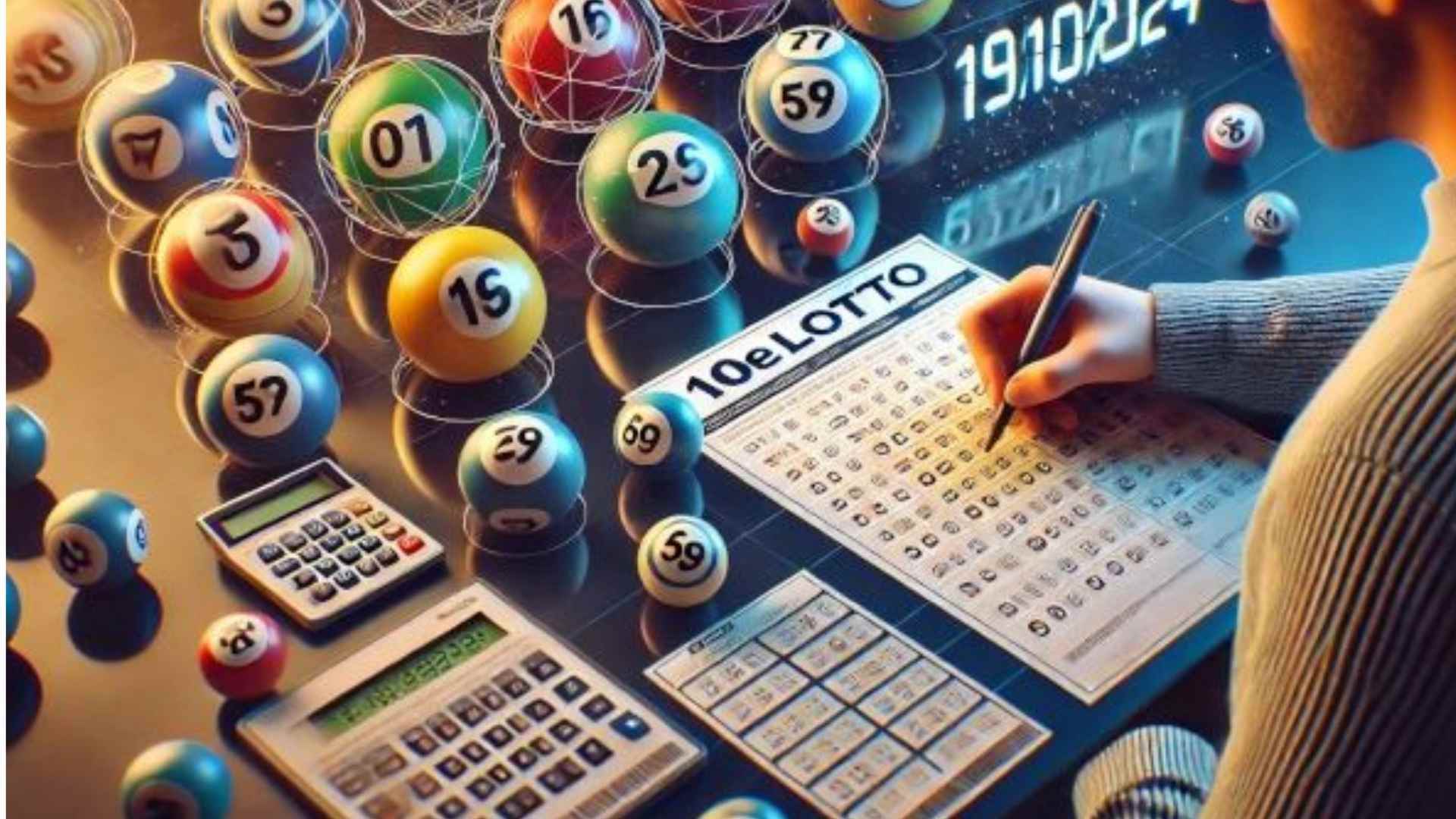
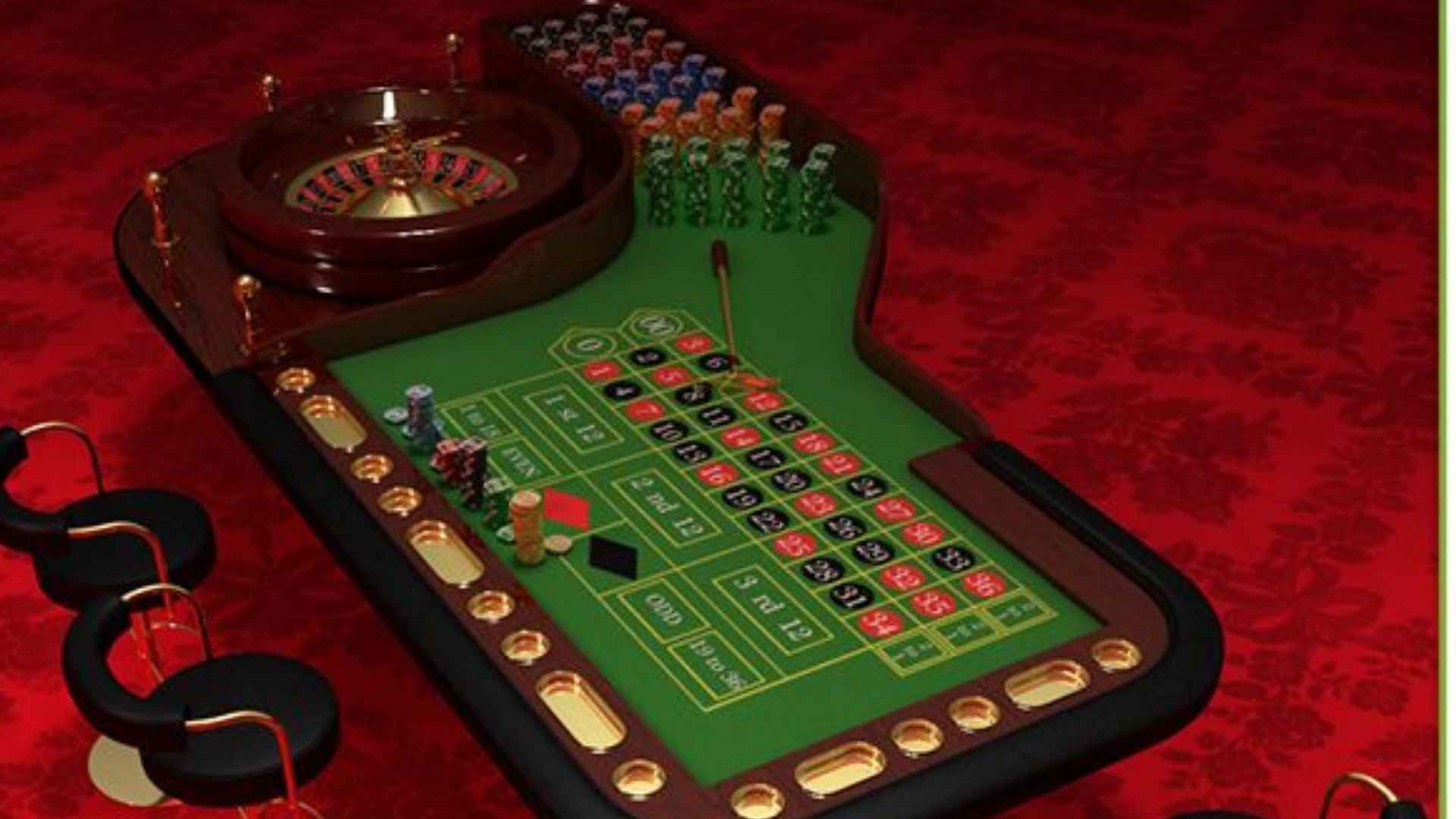
Classic card games like blackjack and poker offer an exceptional arena for honing quick decision-making and mathematical probability skills. Success in these games relies heavily on understanding statistical odds and keeping a disciplined approach regardless of short-term outcomes. Players learn to suppress emotional impulses, relying instead on structured methodologies to guide their choices at the table.
For those looking to explore a dynamic gaming environment and sharpen their skills, finding a reliable platform like M88bet offers a diverse selection of traditional card variants to practice on. By treating these sessions as opportunities to apply mathematical principles, you build a habit of objective evaluation. This analytical framework is incredibly useful when making critical decisions under pressure in real-world professional environments.
The Value of Social Dynamics and Teamwork
Cooperative table games have surged in popularity because they shift the focus from individual competition to collective triumph. In these setups, players must pool their unique abilities, communicate transparently, and coordinate their actions to defeat the game's built-in mechanics. This cooperative dynamic naturally builds strong interpersonal skills, teaches the value of division of labor, and highlights how diverse perspectives lead to better outcomes.
Even in competitive formats, the face-to-face interaction inherent in tabletop gaming fosters deep emotional intelligence. Reading subtle body language, negotiating trades, and managing table talk require players to develop a strong sense of empathy and social awareness. These interpersonal strengths directly contribute to building trust and inspiring better collaboration within professional teams and social circles.
Structuring a Mindset for Consistent Success
Ultimately, table games serve as low-stakes simulators where individuals can safely experiment with different strategic frameworks. Facing defeat in a game helps players build resilience, prompting them to conduct a post-game analysis of where their plans went wrong. This habit of continuous self-improvement is one of the most critical traits for achieving long-term personal and professional growth.
By approaching tabletop recreation with a mindful attitude, you transform simple leisure time into an active training ground for the mind. The next time you sit down at a gaming table, focus on the underlying mechanics and decision trees that lead to victory. Embracing this analytical perspective ensures that your favorite hobbies continue to inspire better results in every aspect of your life.