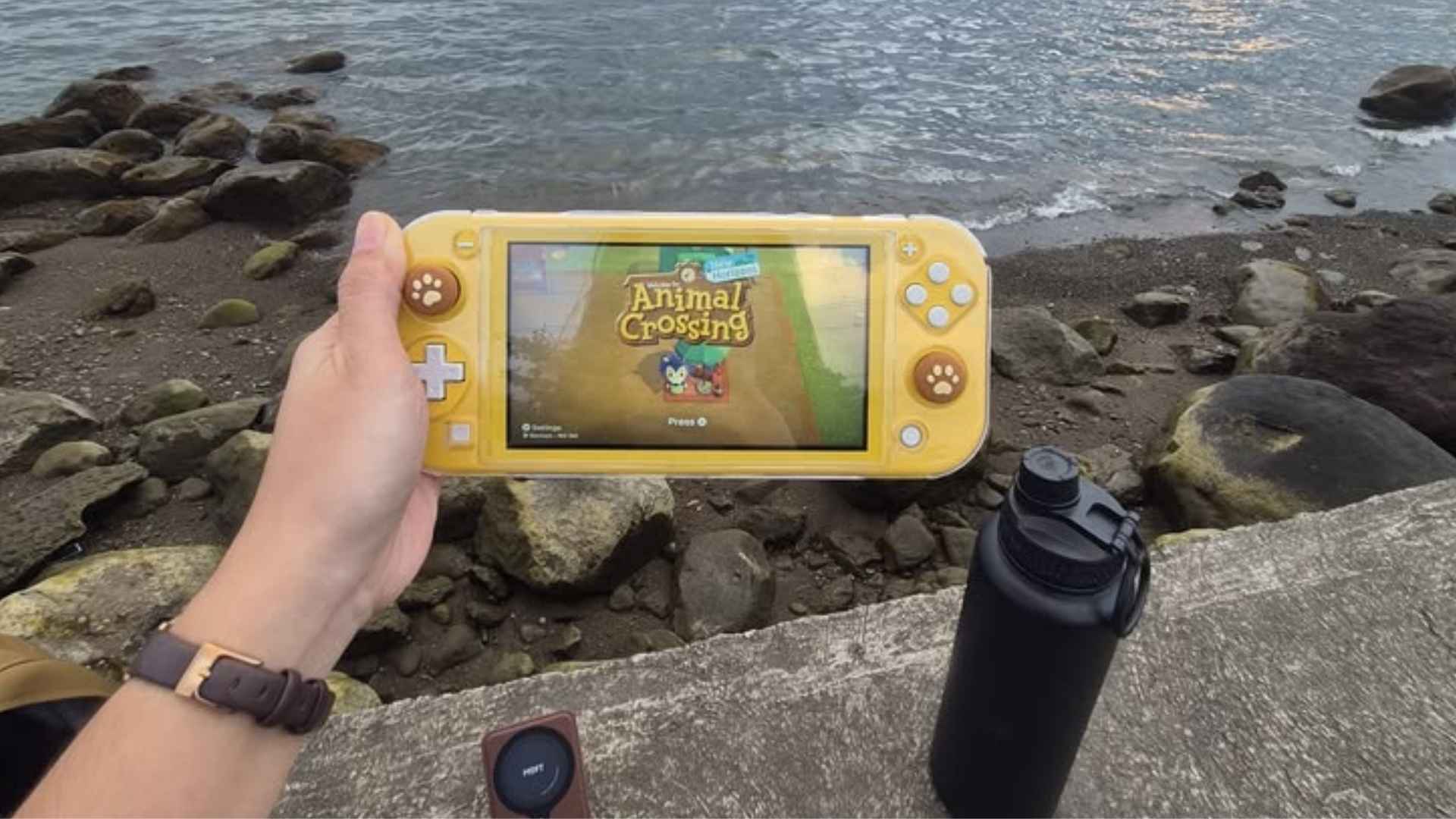
Modern gaming experiences have increasingly integrated open-world discovery with tangible progression systems. Players are no longer content with linear pathways, seeking instead immersive environments where curious discovery yields valuable in-game assets. By pairing open-ended navigation with meaningful milestones, developers create highly captivating virtual ecosystems.
The Psychology of Discovery in Virtual Environments
Exploration drives player engagement by stimulating curiosity and rewarding active engagement with the game environment. When players venture off the beaten path, discovering hidden locations provides a strong sense of personal achievement. This dynamic transforms passive entertainment into an active voyage of discovery.
Furthermore, receiving unexpected items or currency upon reaching unknown areas reinforces continuous play. Designers carefully balance difficulty and accessibility to ensure every discovered landmark feels meaningful. This psychological feedback loop keeps players motivated across long gameplay sessions.
Mechanics of Reward Distribution in Open Worlds
In-game incentives are typically distributed through randomized loot drops, completion trackers, and location-based challenges. As players navigate diverse virtual landscapes, completing regional objectives unlocks specialized gear and cosmetic upgrades. This approach ensures that progress aligns directly with world interaction rather than repetitive grinding.
Many modern titles also incorporate financial or strategic elements within their reward ecosystems. Gamers often consult industry analysis or look into m88 capital to stay informed on broader trends shaping digital gaming platforms. Clear progression metrics allow players to measure their efficiency and optimize their exploration routes effectively.
Balancing Open World Freedom with Structured Progression
A primary challenge for developers is maintaining structure without restricting player freedom. If an environment offers too many rewards without challenge, the sense of accomplishment diminishes quickly. Conversely, sparse rewards across vast landscapes can lead to player fatigue and disinterest.
To solve this, developers utilize dynamic scaling and gated regions that reward thorough exploration. Players gain access to higher-tier rewards only after mastering basic navigation and core mechanics. This structured freedom ensures long-term interest while honoring player agency.
The Future of Incentive-Based Gaming Design
As virtual reality and advanced AI technologies mature, spatial reward systems will become even more personalized. Environments will dynamically adapt to individual playstyles, offering customized challenges based on historical exploration patterns. This level of adaptability promises to make virtual worlds more immersive and uniquely rewarding.
Ultimately, games that successfully balance open exploration with structured rewards set the benchmark for modern interactive media. By placing user agency at the center of the experience, developers build vibrant worlds that resonate deeply with casual and competitive gamers alike.